
 685 738 325

Veterinary Traumatology
Diagnosis and treatment of locomotor system injuries in dogs and cats.
What it is
When moving hurts, we find out why
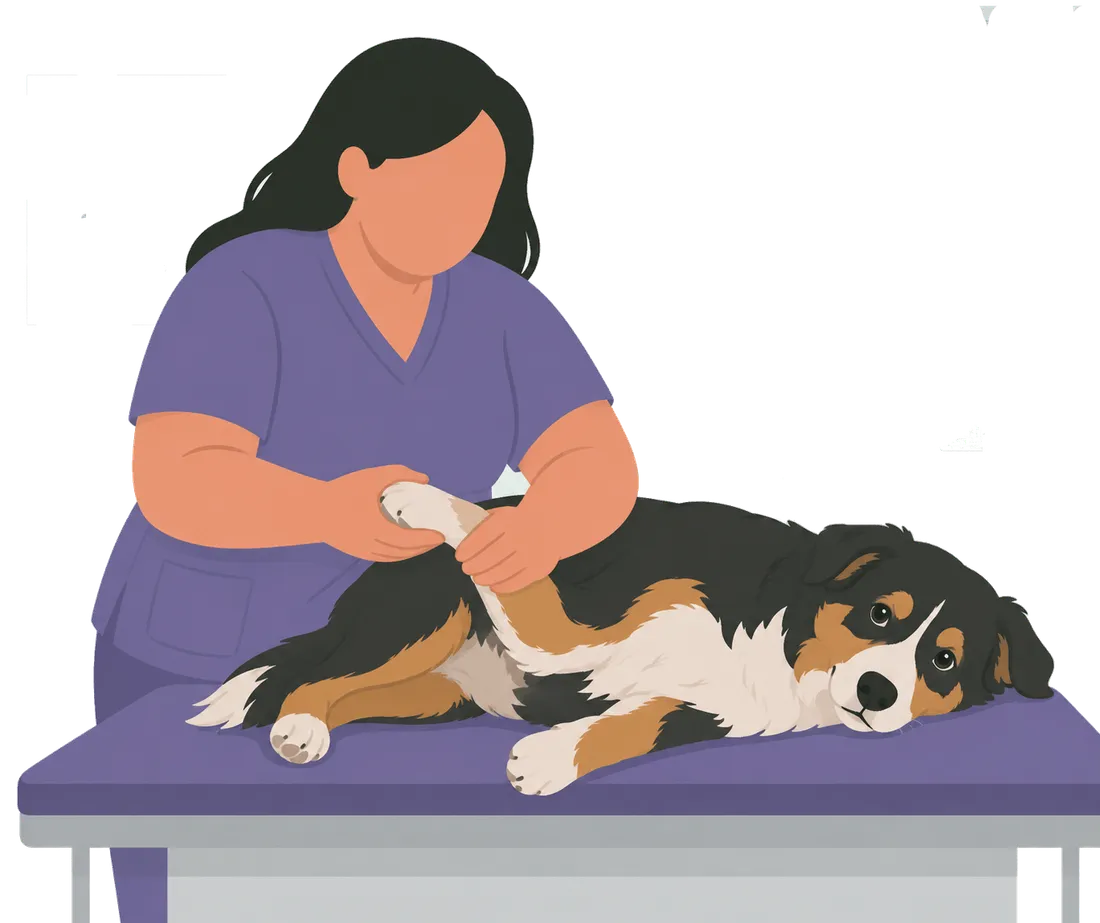
Veterinary traumatology covers the diagnosis and treatment of injuries and diseases affecting the musculoskeletal system: bones, joints, ligaments, tendons and muscles. Limping, difficulty moving, pain when getting up or after exercise are signs that should not be ignored.
At Rovira Veterinary Clinic, in the Gràcia neighbourhood of Barcelona, we assess every case thoroughly: detailed physical examination, diagnostic imaging and an individualised treatment plan ranging from conservative medical management to surgical intervention.
The earlier a musculoskeletal injury is diagnosed, the more options there are and the better the outcomes. If you notice your pet limping or moving with difficulty, don't wait.
What we treat
Main locomotor system conditions

Acute trauma
Fractures & luxations
Injuries from accidents, falls or impacts requiring urgent diagnosis and early treatment to ensure proper healing and avoid long-term complications.

Soft tissue
Ligament & tendon injuries
Cranial cruciate ligament rupture, patellar luxation and other frequent injuries in active dogs and predisposed breeds. Early diagnosis opens up more treatment options.

Chronic condition
Dysplasia & joint disease
Hip and elbow dysplasia, osteoarthritis and other degenerative conditions. Detecting them early significantly improves quality of life and slows progression.
How we work
From examination to follow-up, no gaps
The traumatology process starts with a thorough understanding of what is happening to your pet. We take the time needed for a complete examination before proposing any treatment.
In Gràcia, Barcelona, we have digital radiology at the clinic to speed up diagnosis during the same visit. If the case requires additional tests or a specialist, we communicate that clearly and without ambiguity.
- 1 Full orthopaedic and neurological examination
- 2 Digital X-rays at the clinic
- 3 Detailed differential diagnosis
- 4 Medical or surgical treatment plan
- 5 Pain management and anti-inflammatories
- 6 Follow-up and reassessment of progress
- 7 Referral to a specialist when needed
- 8 Guidance on exercise and rehabilitation
Frequently asked questions
What people ask us most about traumatology
My pet is limping but still eating and playing normally. Should I be worried?
Yes. A limp lasting more than 24–48 hours always warrants a veterinary assessment, even if the animal seems active. Many injuries are progressive — the earlier they are diagnosed, the more treatment options there are and the better the outcome tends to be.
How do I know if my pet has dysplasia?
Hip or elbow dysplasia usually presents as difficulty getting up, limping after rest or exercise, or a characteristic gait. Definitive diagnosis is made with X-rays. Breeds such as the Labrador, German Shepherd and Golden Retriever have a higher predisposition.
Does a cruciate ligament rupture always require surgery?
Not always, but in medium and large dogs surgery is usually the most effective option to restore joint stability and prevent secondary osteoarthritis. In cats and small dogs a conservative approach is sometimes possible. We assess each case individually.
What should I do if my pet suffers a trauma at home?
Limit its movement, prevent it from bearing weight on the injured limb and come to the clinic as soon as possible. Do not give human anti-inflammatories such as ibuprofen or paracetamol — they are toxic to dogs and cats. If the trauma is serious, call us before coming so we can prepare.
Is your pet limping or having trouble moving?
Book an appointment